









1. Introduction: The Power of Symbols in Human Culture
Symbols are fundamental to human understanding, acting as visual or conceptual shortcuts that encapsulate complex ideas, values, and beliefs. Throughout history, they have served as a universal language bridging diverse cultures and epochs. From ancient cave paintings to modern logos, symbols communicate powerful messages that evoke emotion and meaning.
Mythology plays a pivotal role in shaping this symbolic language. Ancient myths are rich with allegories and images—think of the Greek eagle or the Egyptian scarab—that have transcended their original stories to influence art, literature, and even contemporary branding. These mythological symbols embed deep cultural values and aspirational ideals, often associated with divine favor, heroism, and victory.
Today, the connection between ancient symbols and modern rewards remains strong. Whether in the form of loyalty programs, gaming imagery, or corporate branding, the echoes of mythological symbolism continue to influence perceptions of success and achievement.
Contents
- 2. Historical Foundations: Mythology and the Concept of Rewards
- 3. Symbols from Mythology as Cultural Anchors in Modern Society
- 4. From Myth to Marketplace: The Use of Symbols in Modern Rewards Systems
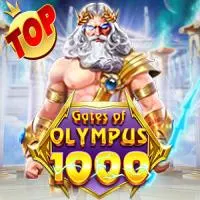
- 5. Case Study: The “Gates of Olympus 1000” as a Modern Illustration
- 6. The Non-Obvious Depths: Hidden Meanings and Psychological Effects of Myth Symbols
- 7. Ethical Considerations: The Power and Responsibility of Myth-Inspired Symbols
- 8. Future Trends: Evolving Symbols and New Mythologies in Reward Systems
- 9. Conclusion: Bridging Ancient Symbols and Modern Rewards for Meaningful Engagement
2. Historical Foundations: Mythology and the Concept of Rewards
Ancient myths frequently depict divine beings bestowing rewards or inflicting punishments based on moral or heroic deeds. The Greek myth of Perseus receiving divine favor for slaying Medusa exemplifies how gods like Athena and Hermes symbolize the virtues of bravery and wisdom, rewarding those who uphold societal values.
These stories served not only as entertainment but also as moral compasses, reinforcing cultural norms. Mythological symbols such as the golden apples of the Hesperides or the laurel wreath awarded to Olympic victors became tangible representations of divine approval and achievement.
| Mythological Reward | Symbol / Example | Cultural Significance |
|---|---|---|
| Divine Favor | Olympic Laurel | Victory, honor, achievement |
| Immortality | Elysian Fields | Eternal reward for heroism or virtue |
3. Symbols from Mythology as Cultural Anchors in Modern Society
Despite the passage of millennia, mythological symbols remain embedded in contemporary culture. In modern art and literature, references to gods, heroes, and mythical motifs evoke a shared cultural heritage. For instance, the image of the phoenix symbolizes rebirth and resilience, echoing Egyptian and Greek myths.
These symbols influence how societies perceive success. The laurel wreath, originally a symbol of divine favor in Greek culture, now frequently adorns awards and trophies, reinforcing a universal association with achievement and honor.
Psychologically, familiar myth symbols serve as anchors of motivation. When individuals see symbols like the lion (representing strength) or the eagle (symbolizing vision and power), it can subconsciously inspire confidence and aspiration. This effect is often exploited in branding and reward systems.
4. From Myth to Marketplace: The Use of Symbols in Modern Rewards Systems
Modern marketing strategies harness mythological symbols to evoke trust, aspiration, and emotional connection. Companies and brands often incorporate these symbols to craft narratives that resonate deeply with consumers. The use of mythic imagery creates a sense of timelessness and grandeur, making rewards more compelling.
Loyalty programs, gaming platforms, and promotional campaigns frequently utilize myth-inspired themes. For example, some online slots and games embed symbols such as divine gates or celestial figures to evoke the grandeur of mythological realms. The gates of olympus 1000 return to player demonstrates how mythic imagery can be central to game design, making rewards feel more significant and desirable.
Such imagery subconsciously influences consumer behavior by fostering a sense of adventure, achievement, and divine approval, which can motivate continued engagement and loyalty.
5. Case Study: The “Gates of Olympus 1000” as a Modern Illustration
The game “Gates of Olympus 1000” serves as an excellent example of how mythological symbolism is integrated into modern reward systems. The title references the ancient Greek myth of Olympus, the divine mountain home of the gods, symbolizing access to divine power and rewards.
The design incorporates imagery of celestial gates and divine figures, drawing directly from Greek myth. This visual language evokes notions of divine favor, luck, and the pursuit of greatness, aligning with the psychological archetype of the hero seeking approval from the gods.
The reward structure within the game mirrors ancient concepts of divine reward—offering multiple levels of payouts, bonuses, and jackpots that feel like divine favors bestowed upon players. Such design choices tap into the subconscious associations of myth, elevating the experience beyond mere chance.
This approach exemplifies how contemporary game developers utilize mythic symbolism to enhance appeal and engagement, illustrating the enduring power of these archetypes in modern entertainment.
6. The Non-Obvious Depths: Hidden Meanings and Psychological Effects of Myth Symbols
Mythological symbols carry archetypal meanings that shape our expectations of rewards. Carl Jung highlighted that archetypes are universal symbols rooted in the collective unconscious, influencing how we perceive success, failure, and fate.
Historically, celestial alignments in temples and sacred sites were believed to influence divine favor and timing of rewards. Modern reward systems sometimes mimic this idea—using celestial motifs or timing strategies that evoke cosmic order, subtly aligning player expectations with a sense of destiny.
The concept of unchangeable fate, prominent in many myths, influences perceptions of risk and reward. When players believe that outcomes are guided by divine or cosmic forces, they may feel more motivated to pursue rewards, accepting risks as part of a grand, fated journey.
7. Ethical Considerations: The Power and Responsibility of Myth-Inspired Symbols
While myth symbols can inspire and motivate, they also carry the potential for manipulation. Exploiting symbols of divine favor or cosmic justice without regard for ethical implications can mislead vulnerable individuals.
Promoting positive values—such as resilience, courage, and fairness—through myth-inspired imagery can foster genuine motivation. Conversely, using such symbols solely to entice greed or reckless risk-taking crosses ethical boundaries.
Best practices include transparency in reward structures and ensuring that myth symbols are used to inspire positive engagement rather than exploit psychological biases.
8. Future Trends: Evolving Symbols and New Mythologies in Reward Systems
As digital and virtual environments grow, so does the reinterpretation of mythological symbols. Virtual and augmented realities are creating new archetypes—such as digital deities or AI-guided gods—that reflect contemporary values and fears.
Emerging archetypes, like the hero in a virtual quest or the guardian AI, are replacing traditional myth figures, allowing brands and developers to craft new narratives that resonate with a digitally native audience.
Understanding these evolving symbols can help designers create engaging, ethical reward systems that harness the power of myth while respecting cultural sensitivities and promoting positive values.
9. Conclusion: Bridging Ancient Symbols and Modern Rewards for Meaningful Engagement
Mythological symbols have endured because they tap into universal human experiences and archetypes. Their influence on perceptions of rewards—whether divine favor or heroic achievement—remains potent today.
Thoughtful integration of these symbols into modern reward systems can foster genuine motivation and a sense of connection to timeless narratives. For example, the myth-inspired design of games like “Gates of Olympus 1000” exemplifies how ancient principles adapt to contemporary entertainment, creating immersive experiences that resonate deeply.
“The enduring power of myth lies in its ability to shape our perceptions of achievement, reward, and destiny—principles that continue to inspire modern culture.”
By understanding the deep connections between myth symbols and reward perceptions, creators and marketers can design experiences that are not only engaging but also meaningful, fostering motivation rooted in shared human heritage.